
UAVOS APX Autopilot Surpasses 100,000 Flight Hours, Enabling Rapid Integration Without Replacing Existing Ecosystems
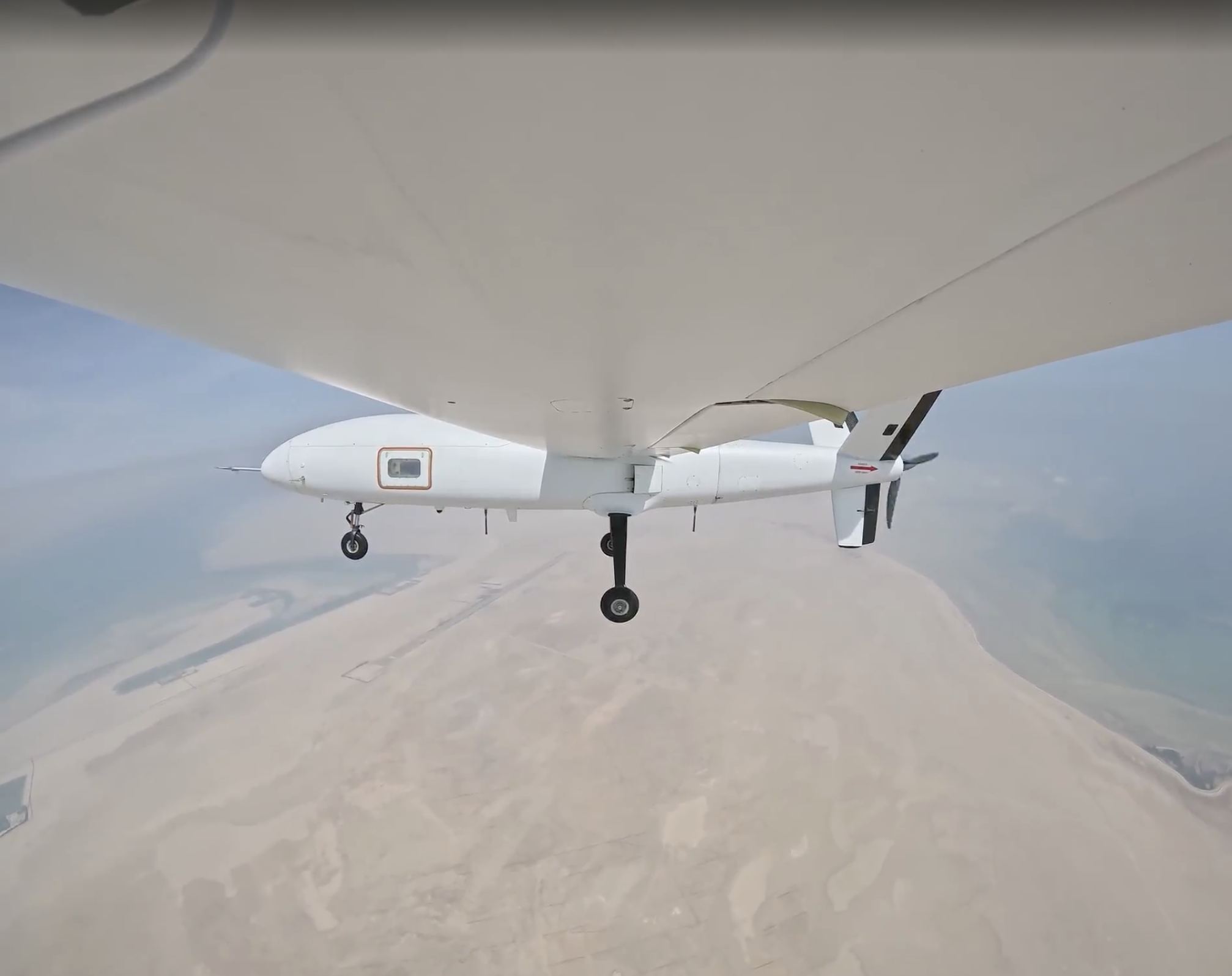
UAVOS has announced that its proprietary APX Autopilot has surpassed 100,000 flight hours across a broad range of uncrewed platforms, from small UAS and heavy-lift unmanned helicopters to high-altitude stratospheric aircraft. A key feature of the APX is its distributed autopilot architecture, which enables rapid integration across a wide range of uncrewed platforms while combining redundant control layers with flexible software and payload integration and preserving the customer’s existing ecosystem.
Proprietary firmware gives UAVOS full control over security, update cadence, and platform adaptation; open-source ground control software provides customers transparency and extensibility.
The distributed architecture is supported by redundant inertial measurement units (IMUs), power redundancy, and onboard watchdog systems. These features provide additional layers of fault tolerance and help maintain reliable flight control throughout critical mission phases. The APX also supports autonomous takeoff and landing, engine-failure handling, autorotation, and GPS-denied navigation.
The APX has been demonstrated on platforms including the HiDRON stratospheric glider and the ApusDuo solar-powered HAPS aircraft. It has also been integrated into larger systems, such as the HAPS or S1-300 MALE platform, with redundant avionics and satellite communications.

“Reaching 100,000 flight hours is an important milestone, but the broader achievement is the operational maturity behind that number,” said Aliaksei Stratsilatau, Founder and CEO of UAVOS. “This is the single brain UAVOS integrates across platform types - solving one of autonomy’s hardest problems: how to bring one trusted control architecture to radically different vehicles.”
19 October 2026