
The drone market is maturing faster than most people think
Expert Commentary by Aliaksei Stratsilatau, Founder and CEO of UAVOS

Aliaksei Stratsilatau, CEO of UAVOS
Is counter-UAS becoming the new standard layer in public safety and critical infrastructure?
Yes, but the effectiveness of counter-UAS depends heavily on the type of UAV being targeted.
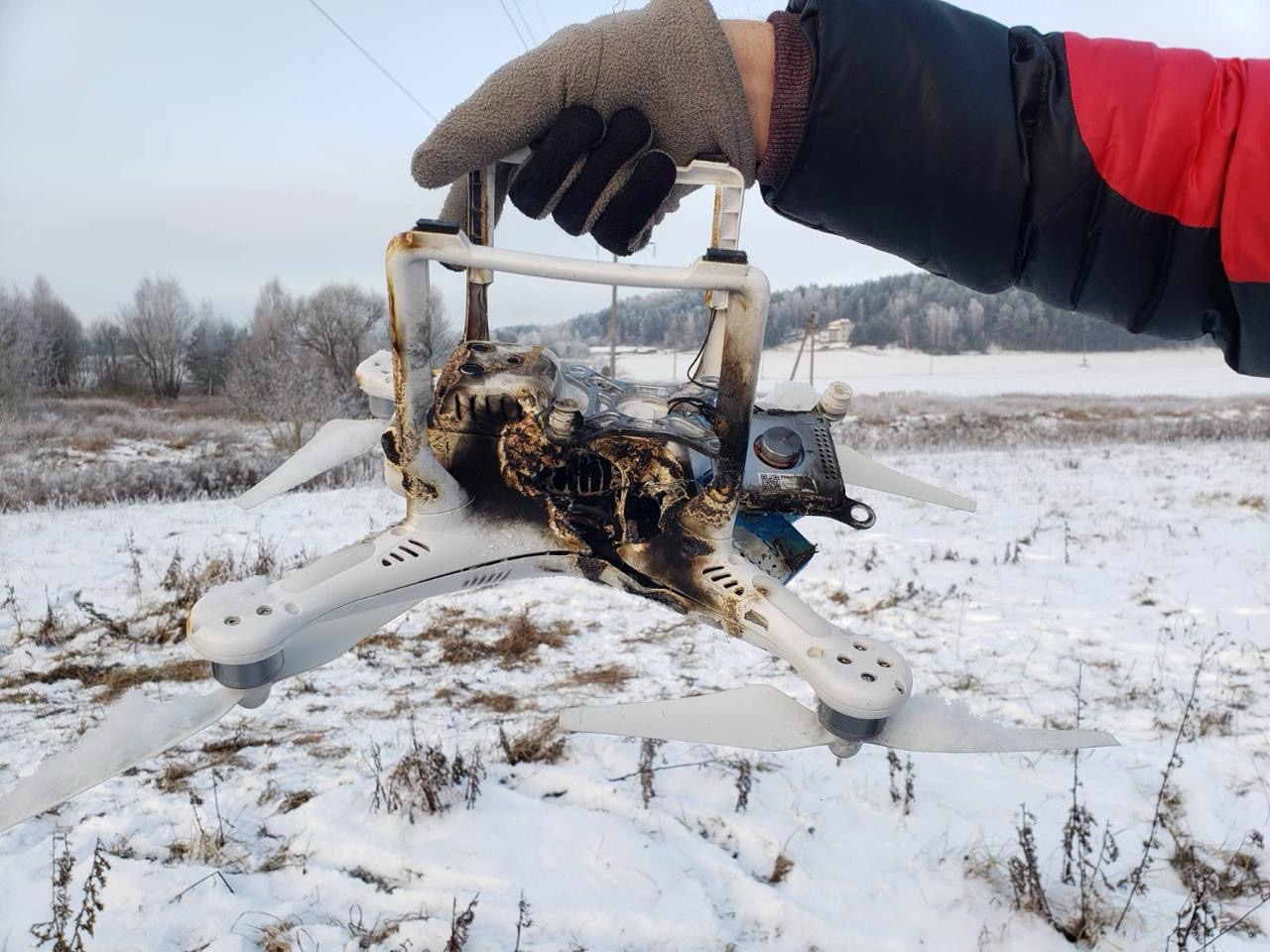 For conventional drones that rely on open communication protocols, vulnerable control links, or constant operator connectivity, RF-based takeover and jamming techniques may be effective. These systems attempt to disrupt, isolate, or assume control of the drone’s communication link and force it into a controlled landing.
However, this approach becomes far less effective against advanced autonomous UAVs.
The future of UAV resilience lies in onboard autonomy: AI-based decision-making, onboard perception, situational awareness, and navigation systems designed to operate in GNSS-denied and communication-denied environments. When a UAV does not depend on a continuous external command link, GPS alone, or cloud-based decision-making, remote takeover becomes extremely difficult.
In such systems, jamming the control channel does not necessarily stop the aircraft. Spoofing GNSS does not necessarily redirect it. The UAV can continue its mission or execute a safe autonomous response using inertial navigation, visual navigation, terrain awareness, sensor fusion, and onboard mission logic.
This means that highly autonomous UAVs with encrypted communications and robust onboard navigation are not realistically countered by simple RF takeover. Against these platforms, physical interception may become the only practical countermeasure.
Examples include interceptor drones, directed-energy systems, fragmentation-based interceptors, and kinetic defense systems. Laser-based systems, in particular, may become important for airport protection, perimeter defense, and other critical infrastructure environments.
In short, improving UAV autonomy, onboard AI processing, decision-making, situational awareness, and GNSS-denied navigation does not just improve mission performance. It also makes drones significantly more resistant to remote takeover, jamming, and protocol-level attacks.
June, 2026